The Memory Keeper
Some notes are heirlooms
Someone in your family makes something nobody ever wrote down. Someone tells a story that only survives while they do. And some of your own days deserve better than a bullet list — they deserve a page that still feels like the day did.
That's what the letter below is: a real note, set by hand — a script salutation, one line grown large, a photograph pressed between the margins. A note like this becomes a keepsake. A Memory file makes the whole sky of them yours to keep: one encrypted file, sealed with your passkey, living wherever your important things live.

In Mhisper
Write it the way it deserves
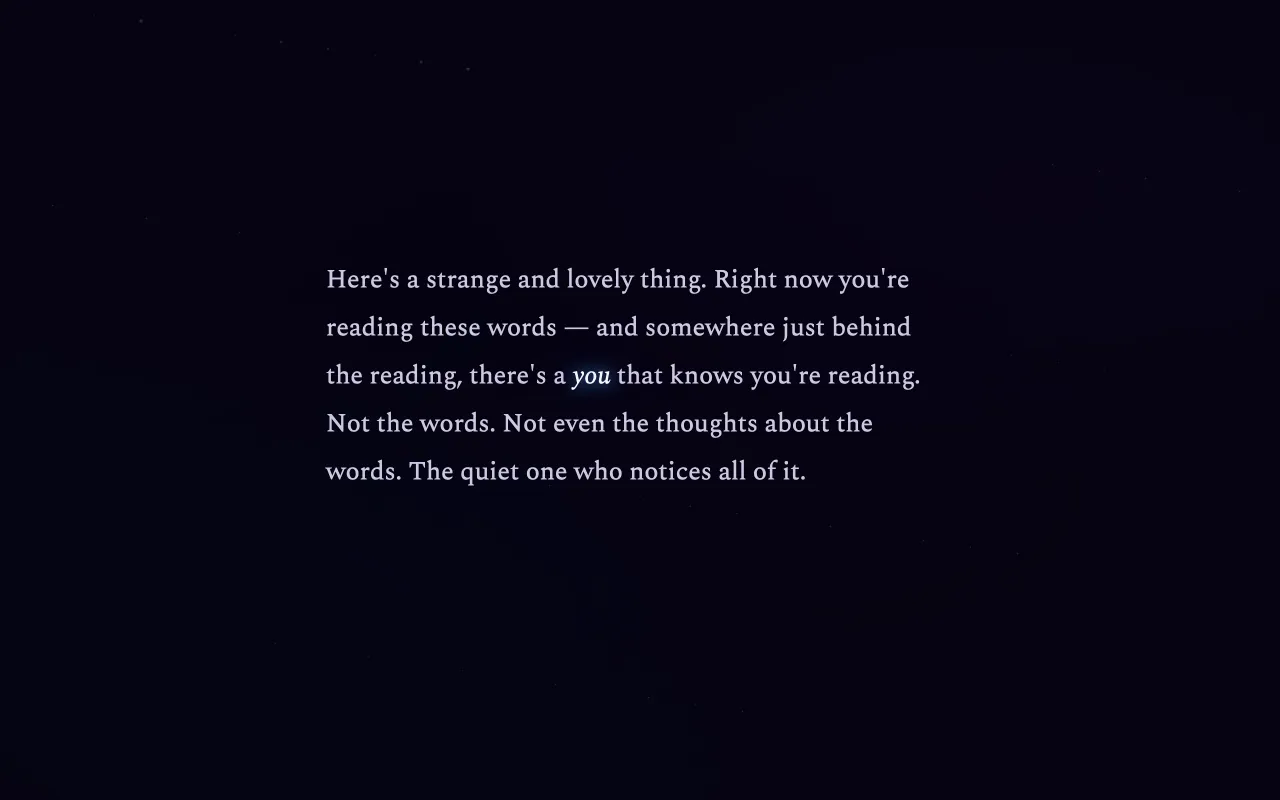
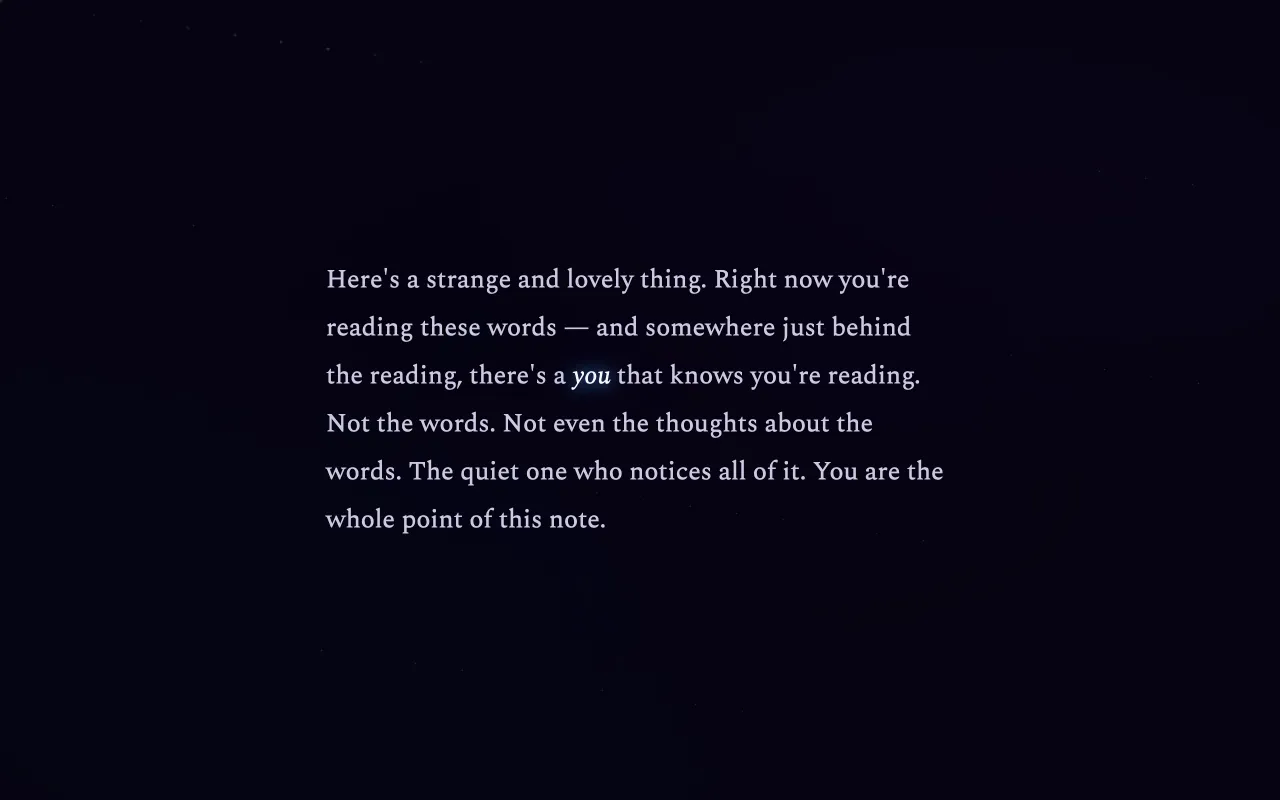
A remembered kitchen isn't a bullet list. Set the salutation in script, grow the line that matters, press a photograph between the margins — the page below is a real Mhisper note.
Share it as a page, not a paste
One private, revocable link sends the note exactly as you set it — to the sibling who also remembers, or the grandchild who will.
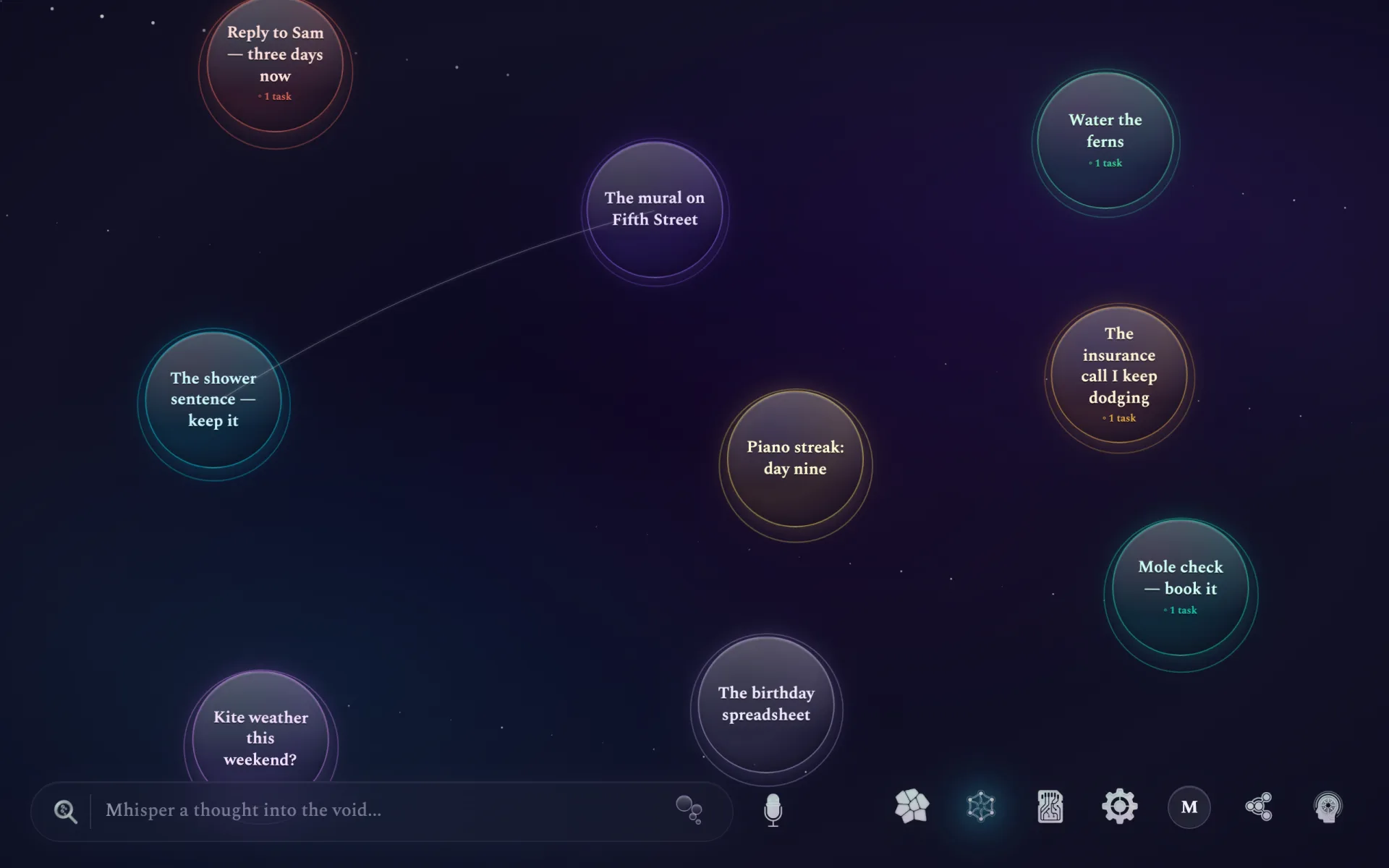
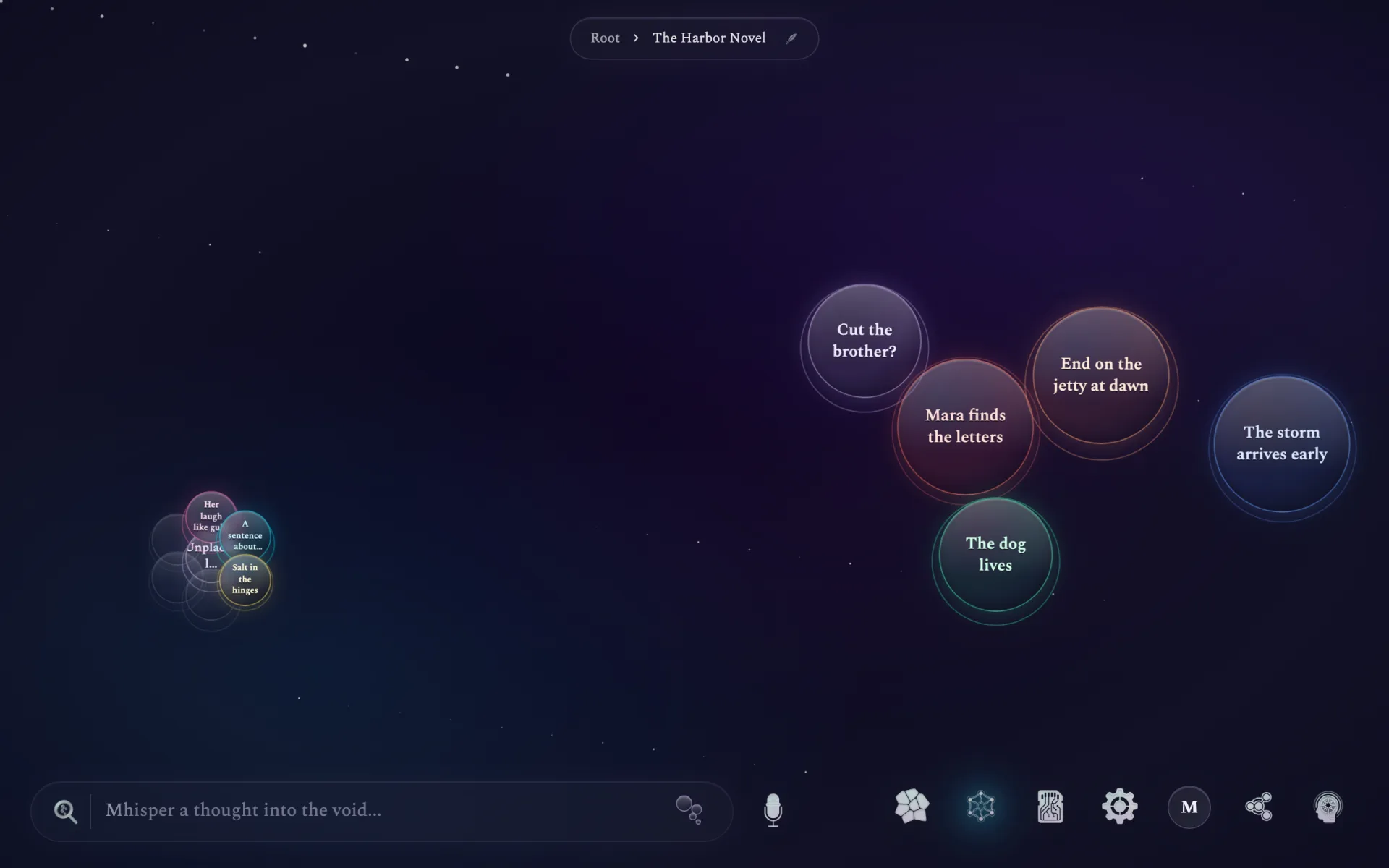
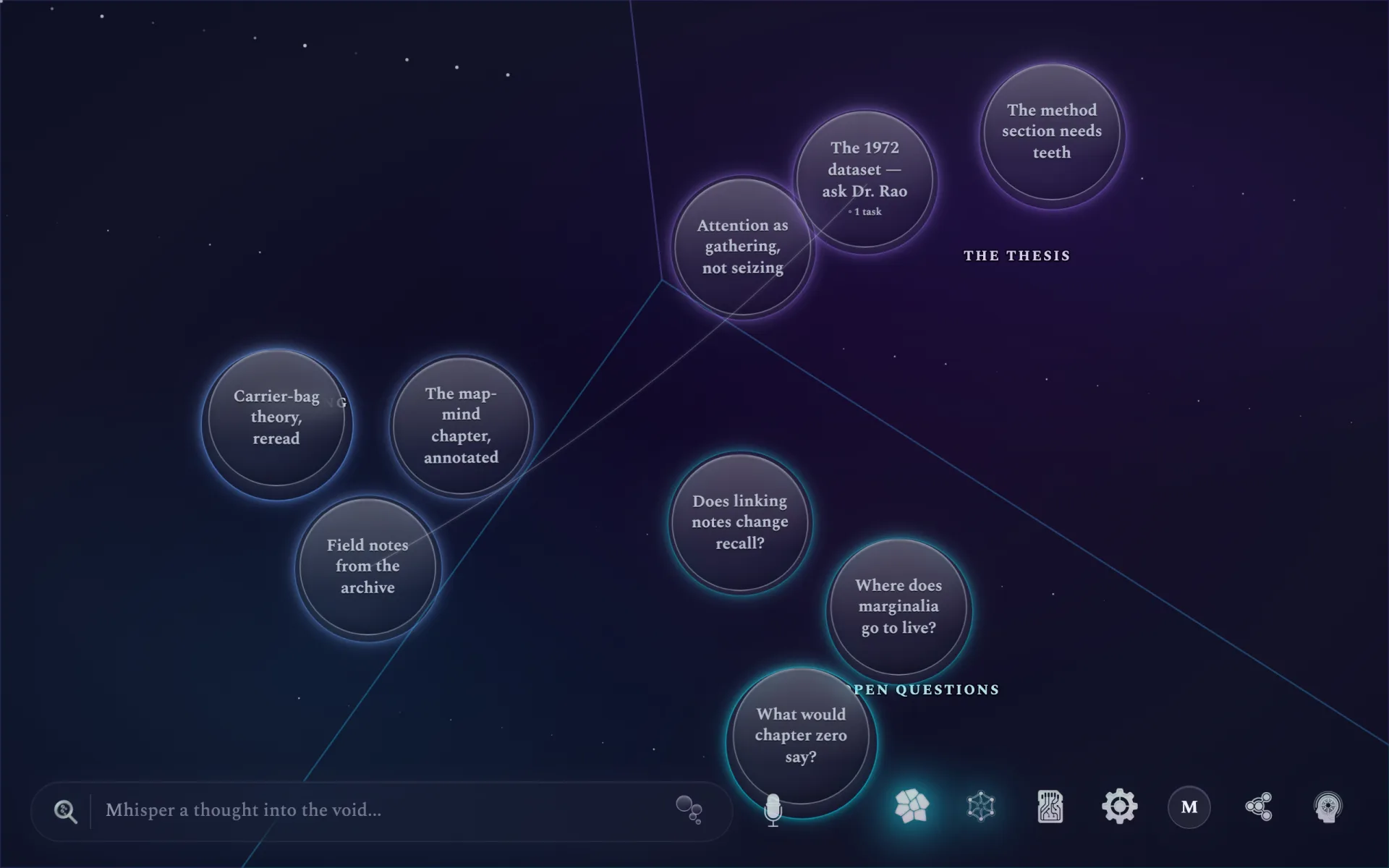
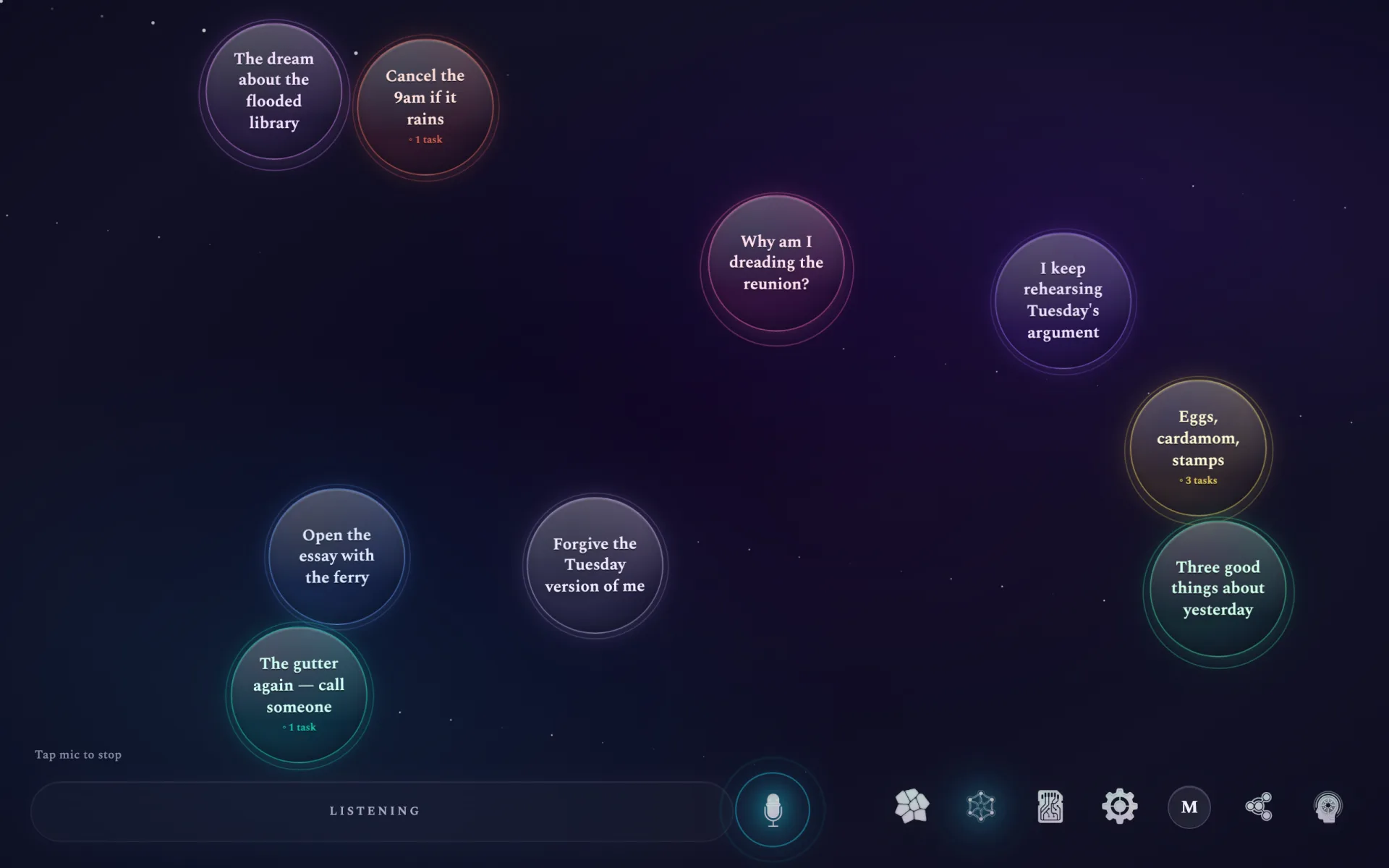
Keep the whole sky in a file you own
Save Memory writes your entire canvas into one encrypted .mhisper file, sealed on your device with a passkey only you hold. Your thoughts, physically yours.
The recipe gets written down, beautifully, before it becomes one of those questions nobody can answer.
Try this yourself
- Pick one story only you carry. Give it a page this week — script, photo, margins.
- Share the link with one person who was there.
- Save a Memory file after, and keep it where your important documents live.